

“I should’ve started earlier”
Daily meditation #6

Hi again,
You are reading a month-long experiment.
From October 6 – November 6 — full moon to full moon — I’m sharing short, daily meditations to serve as spiritual fuel for you, a culture-maker. Let me know how they land (or don’t).
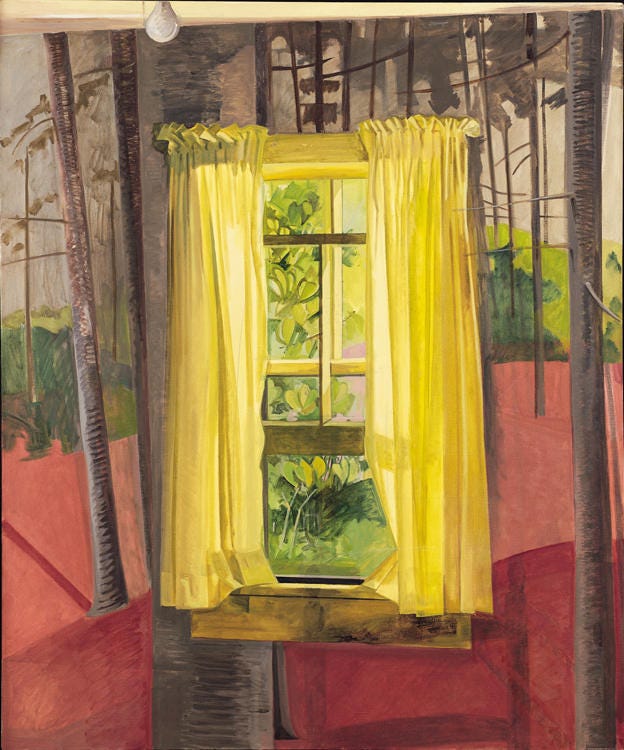
Oct. 11
Nothing will snuff out the imagination faster than sneering at yourself for what you haven’t done in the past. The way you treat the actions and performance of your past self not only inhibits the actions of your present self, but unless it’s changed, it will be the exact same way that your future self treats what you do today.
The reason that forgiveness for your past self is so important is that you will hold back from doing anything risky from your deepest values if you anticipate the condemnation of your future self if it doesn’t go well.
If you’re saying, “I should’ve started earlier” or “I can’t believe how stupid I was,” that anger and regret is what you’re trying to avoid right now. And we know that actions based on avoiding only create another version of that fear.
Only creative acts, done from a free intention instead of trying to outrun a negative reaction, create new meaning, new life. What story do you tell about the life you’ve lived already? Specifically, how do you evaluate the choices you made, those that failed and those that succeeded?
For the weekend, this is a short excerpt from my book Making Time
For your consideration: What tiny risk would I take if I knew I wouldn’t punish myself later?
Love,
Maria
I never really thought about how I treat my own past; I always thought I was fairly positive and accepting of it in that “I don’t regret the mistakes I’ve made because it’s made me who I am” sort of way. But there are those times when I’ve said I should’ve started sooner or something like it. Maybe I haven’t been as positive and accepting of my past as I thought. Wow, this one kinda hit with me.
The string of bad luck that has hit me over the last seven years (!) has led to a lot of shame and guilt--even though, when I think about it rationally, I don't implicate myself in any of the significant things that have happened. What is that about? Why do we shame ourselves for events beyond our control? Your post has invited me to think about how that negative self-talk (excuse the overbaked jargon) has siphoned off energy I could have used for writing and other things I genuinely wanted to do. And I can say that when I'm able to clear away space to write (or cook) from a place of hopefulness, I always feel good about it. Thank you for this provoking and kind post.